-
What is the Stuxnet virus and why does it matter?
Stuxnet was an unprecedented piece of malicious software that forced the cybersecurity world to rethink what cyberattacks could achieve. Its discovery revealed a level of planning, resources, and prec...
-
Can Chromebooks get viruses? A comprehensive guide
Chromebooks are widely regarded as some of the most secure consumer laptops available. Their streamlined, cloud-first design and built-in security features reduce exposure to many threats that commonl...
-
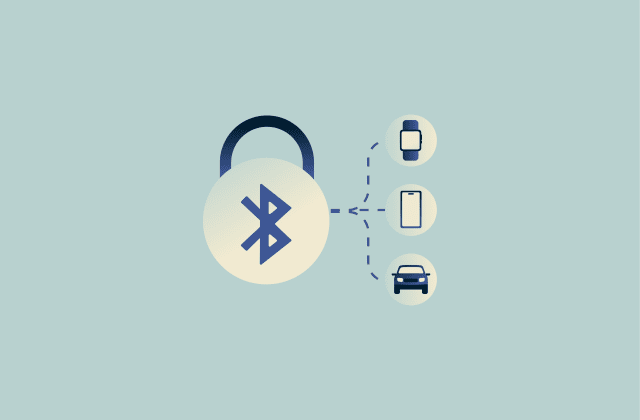
Bluetooth security guide: How to stay safe from wireless attacks
Bluetooth connects everything from speakers and keyboards to phones, wearables, and cars. It’s convenient, but any wireless technology can introduce risk, and Bluetooth is no exception. It has vulne...
-
Supply chain attack: How it works and how to stay protected
Unlike some cyberattacks that try to break in directly, supply chain attacks exploit trusted components involved in building, delivering, or operating software and services, allowing attackers to gain...
-

What is an IP reputation attack? Learn how to prevent it
Many public IP addresses are assigned a rating that measures their safety and trustworthiness. This rating is known as “IP reputation,” and it helps various online services decide whether traffic ...
-

What is a zero-day exploit? Everything you need to know
Before new devices and software are released, or operating system and firmware upgrades are published, they typically undergo rigorous testing to catch security weaknesses. But even with strong precau...
-
Heartbleed vulnerability: Understanding and mitigating risks
Heartbleed was one of the most significant cybersecurity vulnerabilities ever discovered. It affected millions of websites and online services that relied on OpenSSL, exposing sensitive data and promp...
-
Is OneLaunch malware? Risks, concerns, and how to remove it
OneLaunch isn’t malware; it’s a legitimate desktop application that provides a customizable browser experience. Some users first become aware of it after noticing changes to their browser’s home...
-
What is DarkSide ransomware, and how does it work?
DarkSide was a cybercriminal group that operated a Ransomware-as-a-Service (RaaS) model. First emerging in the latter half of 2020, the group developed the DarkSide ransomware and leased it to affilia...
-

Remote access Trojan (RAT): What it is and how to stay protected
A remote access Trojan (RAT) is a type of Trojan horse malware that gives attackers remote control over a device without the user’s knowledge or consent. Once installed, it can monitor activity, ste...
Cybersecurity